Full stomach
Empty Nutrition

Hunger isn’t always loud or obvious. Sometimes,
it’s hiding in plain sight.
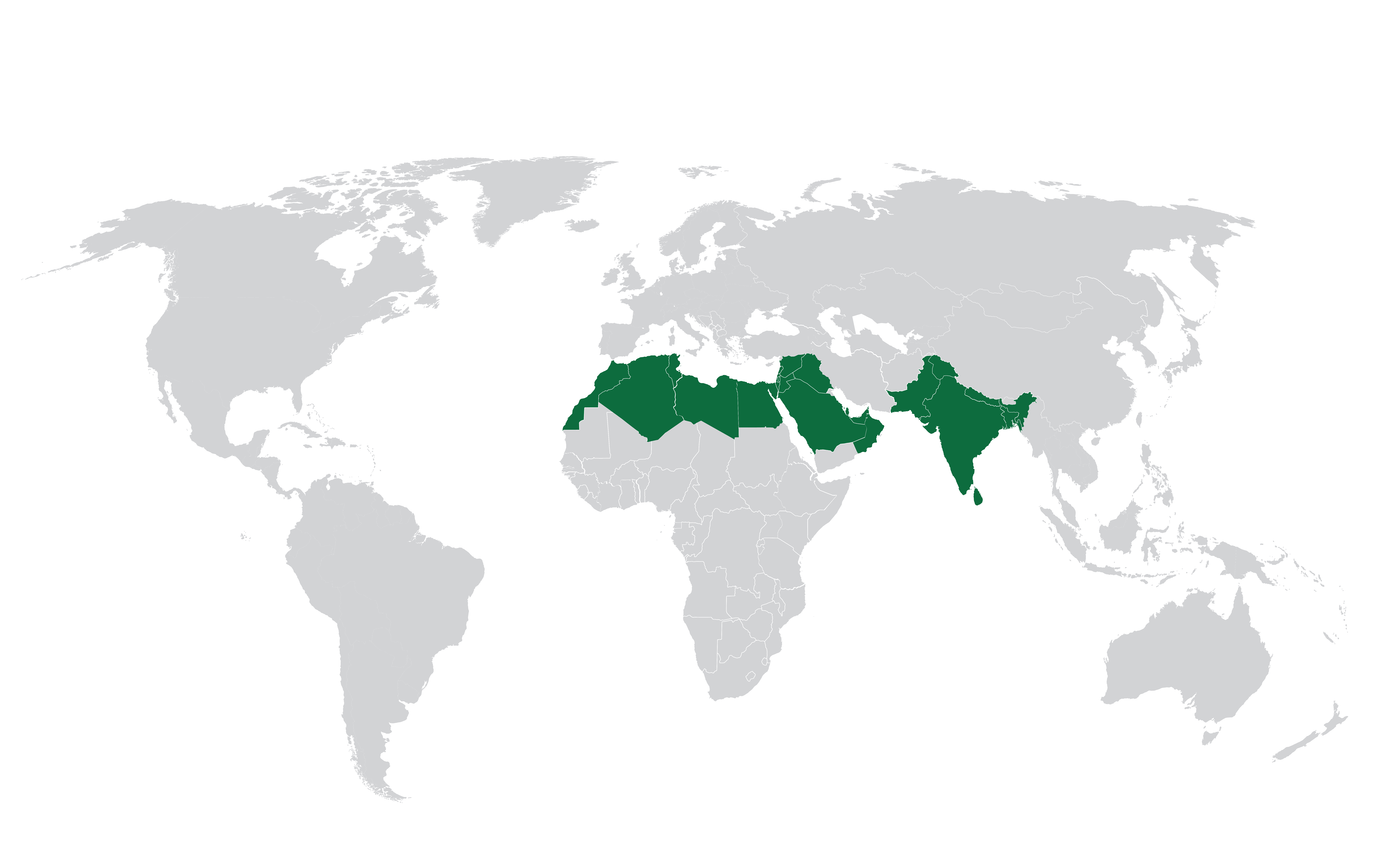
World Map world map mobile india pakistan nepal bangladesh sri-lanka

Key factors resulting in
protein deficiency:

skip meal

Low dietary diversity, with a heavy reliance on staple foods.

Lack of Leisure

Limited access to affordable high-quality protein due to cost and availability barriers.

Few Sources of protein

Inadequate meal frequency, such as diets based on one main meal per day.

Protein is the body’s
building block

Your body can’t store it, so you need it every day.

The word protein, derived from the Greek proteios, means ‘of primary importance’.

Building Blocks

Why Protein matters?

Energy1

Fuels you when carbs fall short.

Brain2

Protein supports memory and cognitive performance.

Immunity3

Helps fight illness and heal faster.

Growth4

Critical for childhood development and healthy aging.

Energy1

Fuels you when carbs fall short

Brain2

Supports memory, mood & focus

Immunity3

Helps fight illness and heal faster

Growth4

Essential in childhood & aging

Life Stage needs

Infants (0–2)

Supports growth, brain development, and immune system formation.5

Children (3–12)

Essential for steady growth, bone development, and cognitive function.6

Teens (13–18)

Supports rapid growth, hormonal changes, and lean muscle development.7

Mothers

Critical for fetal growth and milk production.8

Adults

Helps maintain muscle mass, repair tissues, and support metabolic health.9

Seniors (60+)

Helps preserve muscle mass, prevent sarcopenia, and maintain strength and mobility.10

The Protein Landscape

Explore the health trends and market insights across South Asia.
Soy-Based Interventions Beat Stunting in Pakistan

13% reduction in stunting and 9.4% drop in underweight children from soy-wheat blends, Wawa mum, and micronutrient powders via Lady Health Workers.
 

Midday Meals Get a Protein Upgrade in India

Class 8 girls in Karnataka gained up to 71% more weight, with 83% student acceptance by adding eggs to Mid-day meals.


Nourishing Kids in the Mountains of Nepal

WFP’s school meal program now reaches over 270,000 children with fortified flour, lentils, milk powder, and occasional eggs.


Did You
Know?

In Kandy District of Srilanka, 12.5% of older adults were found malnourished, with over half at risk—marked by frailty, low muscle mass, and high vulnerability.
 

How a Simple Habit Lowers Diabetes Risk?

The case study highlights how regular yogurt consumption can lower the risk of type 2 diabetes, thanks to its nutrients, unique food matrix, and fermentation-driven gut health benefits.

Stronger Bones for Life: The Dairy Advantage

The case study shows that dairy products, rich in calcium, protein, and probiotics, play a crucial role in building strong bones during growth and reducing fracture risk later in life. 

Protein Power at Every Age: Why Animal Foods Matter

Animal-sourced foods are vital at every life stage, providing protein and key nutrients that support growth, strength, and healthy aging.


Egg Protein: The Complete Nutrient 

This case study reviews the wide-ranging benefits of egg protein, which boasts the highest protein quality score and essential amino acid content.

Egg Whites for Strength, Heart & Metabolism 

This review highlights the exceptional quality of egg protein (amino acid score of 100) and its health benefits observed in human studies.


Fish for Heart, Brain & Immunity 

This review compiles evidence on the health benefits of fish, a globally accessible nutrient-rich food that strengthens immunity and balances inflammation and metabolism.

References

  1. Chourpiliadis, C., & Mohiuddin, S. S. (2023). Biochemistry, gluconeogenesis. In StatPearls [Internet]. StatPearls Publishing. https://www.ncbi.nlm.nih.gov/books/NBK544346/
  2. Muth, A. K., & Park, S. Q. (2021). The impact of dietary macronutrient intake on cognitive function and the brain. Clinical Nutrition, 40(6), 3999–4010. https://doi.org/10.1016/j.clnu.2021.04.043
  3. Tourkochristou, E., Triantos, C., & Mouzaki, A. (2021). The influence of nutritional factors on immunological outcomes. Frontiers in Immunology, 12, 665968. https://doi.org/10.3389/fimmu.2021.665968
  4. World Health Organization, Food and Agriculture Organization of the United Nations, & United Nations University. (2007). Protein and amino acid requirements in human nutrition. WHO Technical Report Series, 935, 1–265.
    • Elango, R., Humayun, M. A., Ball, R. O., & Pencharz, P. B. (2011). Protein requirement of healthy school-age children determined by the indicator amino acid oxidation method. American Journal of Clinical Nutrition, 94(6), 1545–1552. https://doi.org/10.3945/ajcn.111.012815
    • Harris, S., DePalma, J., & Barkoukis, H. (2025). Protein and aging: Practicalities and practice. Nutrients, 17(15), 2461. https://doi.org/10.3390/nu17152461
    • Hengeveld, L. M., Boirie, Y., Calder, P. C., Cederholm, T., Laviano, A., Mathers, J. C., et al. (2024). Discussion on protein recommendations for supporting muscle and bone health in older adults: A mini review. Frontiers in Nutrition, 11, 1394916. https://doi.org/10.3389/fnut.2024.1394916
  5. Monk, C., Georgieff, M. K., & Osterholm, E. A. (2013). Research review: Maternal prenatal distress and poor nutrition—mutually influencing risk factors affecting infant neurocognitive development. Journal of Child Psychology and Psychiatry, 54(2), 115–130. https://doi.org/10.1111/jcpp.12000
    • Ling, Z. N., Jiang, Y. F., Ru, J. N., Lu, J. H., Ding, B., & Wu, J. (2023). Amino acid metabolism in health and disease. Signal Transduction and Targeted Therapy, 8(1), 345. https://doi.org/10.1038/s41392-023-01569-3 [referencing style website link]
  6. Bounds, W., Skinner, J., Carruth, B. R., & Ziegler, P. (2005). The relationship of dietary and lifestyle factors to bone mineral indexes in children. Journal of the American Dietetic Association, 105(5), 735–741. https://doi.org/10.1016/j.jada.2005.02.046
  7. Colecchia, F. P., Di Padova, M., Mancini, S., Polito, R., Basta, A., Grasu, V. T., Limane, P., Messina, G., Monda, M., Monda, A., Guerriero, M. A., Messina, A., Caggiano, A., Ruberto, M., & Mancini, N. (2025). Protein intake in adolescent athletes: Nutritional requirements and performance implications. Journal of Physical Education and Sport, 25(4), 773–784. https://doi.org/10.7752/jpes.2025.04083
  8. Monk, C., Georgieff, M. K., & Osterholm, E. A. (2013). Research review: Maternal prenatal distress and poor nutrition—mutually influencing risk factors affecting infant neurocognitive development. Journal of Child Psychology and Psychiatry, 54(2), 115–130. https://doi.org/10.1111/jcpp.12000
    • Alisi, A., Panera, N., Agostoni, C., & Nobili, V. (2011). Intrauterine growth retardation and nonalcoholic fatty liver disease in children. International Journal of Endocrinology, 2011, 269853. https://doi.org/10.1155/2011/269853
    • Wu, G., Imhoff-Kunsch, B., & Girard, A. W. (2012). Biological mechanisms for nutritional regulation of maternal health and fetal development. Paediatric and Perinatal Epidemiology, 26(Suppl 1), 4–26. https://doi.org/10.1111/j.1365-3016.2012.01291.x
    • Otten, J. J., Hellwig, J. P., & Meyers, L. D. (Eds.). (2006). Dietary reference intakes: The essential guide to nutrient requirements. National Academies Press. https://doi.org/10.17226/11537
  9. Nunes, E. A., Colenso-Semple, L., McKellar, S. R., Yau, T., Ali, M. U., Fitzpatrick-Lewis, D., Sherifali, D., Gaudichon, C., Tomé, D., Atherton, P. J., Robles, M. C., Naranjo-Modad, S., Braun, M., Landi, F., & Phillips, S. M. (2022). Systematic review and meta-analysis of protein intake to support muscle mass and function in healthy adults. Journal of Cachexia, Sarcopenia and Muscle, 13(2), 795–810. https://doi.org/10.1002/jcsm.12922
  10. Coelho-Júnior, H. J., Calvani, R., Tosato, M., Landi, F., Picca, A., & Marzetti, E. (2022). Protein intake and physical function in older adults: A systematic review and meta-analysis. Ageing Research Reviews, 81, 101731. https://doi.org/10.1016/j.arr.2022.101731
    • Paddon-Jones, D., & Rasmussen, B. B. (2009). Dietary protein recommendations and the prevention of sarcopenia. Current Opinion in Clinical Nutrition and Metabolic Care, 12(1), 86–90. https://doi.org/10.1097/MCO.0b013e32831cef8b

Join the movement for better
protein awareness and access

Visibility Preferences*

Thank you for your pledge.